제품 프로토타입
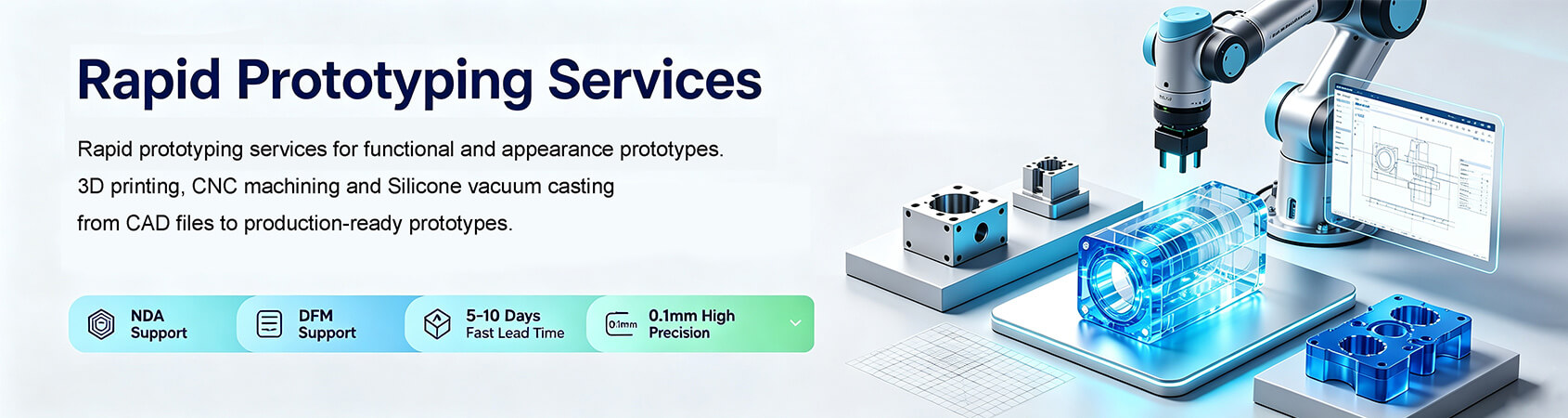
신속 프로토타이핑 서비스 | 3D 프린팅, CNC 가공 및 진공 주조중국 최고의 시제품 제작 업체인 그랜드샤인은 제품 시제품 제작을 위한 통합 기술 솔루션을 제공합니다. 3D 프린팅, CNC 가공, 실리콘 몰딩을 포함한 신속한 시제품 제작 서비스를 제공하며, 다양한 엔지니어링 소재를 사용하여 높은 정밀도로 제작합니다. 시제품 검증 및 소량 생산의 경우 5~15일 이내에 빠른 납기를 보장합니다. |
기술 엔지니어링 |
||
3D 프린팅 |
CNC 가공 |
실리콘 몰딩 |
| 3D 프린팅은 프로토타입 제작 과정에서 유연한 역할을 하며, CAD 파일에서 부품을 층별로 직접 제작하기 때문에 금형 비용이 들지 않고, 빠른 콘셉트 모델 제작이나 복잡한 형상 구현을 통해 신속한 설계 검증이 가능합니다. | CNC 가공은 CAD 데이터를 기반으로 솔리드 소재를 직접 절삭하여 정밀하고 견고한 프로토타입을 제작하는 시제품 제작 공정입니다. 이 공정은 엄격한 공차와 안정적인 엔지니어링 소재 성능이 요구되는 소형 볼 프로토타입 제작에 적합합니다. | 실리콘 성형(진공 주조라고도 함)은 마스터 패턴을 사용하여 플라스틱 부품을 복제하는 방식으로, 시제품 제작 과정에서 신뢰할 수 있는 단계입니다. 소량 생산에 적합하며, 사출 성형 부품과 유사한 특성을 제공하면서 비용이 저렴합니다. |
 |
 |
 |
판금 가공 |
프로토타입 후처리 |
사출 성형 |
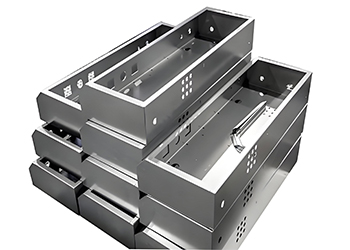
| 판금 가공은 CAD 도면에 따라 금속판을 굽힘, 절단 및 성형하는 공정으로, 시제품 제작 과정의 실질적인 한 분야입니다. 금속 하우징 시제품 제작에 적합하며, 우수한 구조적 강도와 빠른 기능 검증 시간을 제공합니다. | 시제품 후처리에는 샌딩, 폴리싱, 코팅 및 도금이 포함되어 정교한 시제품을 제작할 수 있습니다. 이러한 처리를 통해 표면 결함을 수정하고 외관, 질감 및 내마모성을 향상시켜 최종 제품 기준에 부합하도록 합니다. | 사출 성형은 시제품 제작 후반 단계에 필요한 동일한 품질의 플라스틱 부품을 일관된 품질로 생산할 수 있으며, 금형 제작이 필요한 대량 생산 검증에 적합하여 공식 출시 전 대량 생산 성능 테스트에 이상적입니다. |
 |
 |
 |
3D 프린팅3D 프린팅은 디지털 방식으로 부품을 층층이 쌓아 올리는 효율적인 제조 기술입니다. 숙련된 시제품 제작 경험을 바탕으로, 당사는 110대의 SLA 장비, 30대의 SLS 장비, 12대의 MFJ 장비, 10대의 SLM 장비, 그리고 150대의 FDM 장비를 포함하여 레진, 나일론, 금속 등 다양한 소재를 지원하는 300대 이상의 3D 프린팅 장비를 보유하고 있습니다. 당사의 첨단 3D 시제품 제작 역량을 통해 한 번의 제작으로 여러 개의 동일한 부품을 생산할 수 있어 생산 효율성을 높이고, 레진, 나일론, 금속 및 기타 소재를 사용한 신속한 시제품 제작부터 소량 생산까지 모든 분야를 지원합니다. |
|||
FDM |
SLA/DLP |
SLS |
엠제이프 |
|
FDM 방식은 PLA, ABS, PETG, TPU 등의 필라멘트를 녹여 층층이 쌓아 부품을 제작합니다. PLA는 가격이 저렴하지만 취성이 강한 반면, ABS와 PETG는 더 강한 내구성을 제공합니다. 이 프로토타입 제작 방식은 표면 마감이 완벽하지 않아도 되는 초기 단계의 콘셉트 및 기본 기능 제품 프로토타입 제작에 적합합니다. 특히 소비자 가전 제품 디자인 검토, 가전제품 스타일링 점검, 자동차 콘셉트 모델 제작 등에서 표면 마감의 완벽함보다는 빠른 반복 작업과 저비용이 중요한 경우에 효과적입니다. |
SLA 및 DLP 방식은 액체 레진을 빛을 이용하여 층별로 경화시키는 방식입니다. 일반적으로 사용되는 레진으로는 저렴한 투명 레진과 정밀한 디테일과 매끄러운 표면을 구현할 수 있는 고강도 레진이 있습니다. 이 프로토타입 제작 프로세스는 선명한 특징이 요구되는 시각적 제품 프로토타입에 적합합니다. 높은 외관 기준과 CMF(색상, 질감, 재질) 평가를 위해 설계된 이 프로세스는 소비자 전자제품, 의료기기, 자동차 인테리어, 가전제품, 로봇 및 항공우주 분야에 사용되는 상세한 시각적 프로토타입을 제작합니다. |
SLS(Selective Laser Sintering) 방식은 레이저 열을 이용하여 미세 고분자 분말을 층층이 쌓아 올리는 프로토타입 제작에 사용됩니다. PA12와 PA는 대표적인 분말 소재이며, 뛰어난 강도와 내마모성을 제공합니다. 이 시제품 제작 공정은 표면 연마 작업 없이도 스냅핏 사이클링, 충격 및 조립 내구성 검사를 포함한 기능 테스트에 바로 사용할 수 있는 복잡한 부품을 생산합니다. |
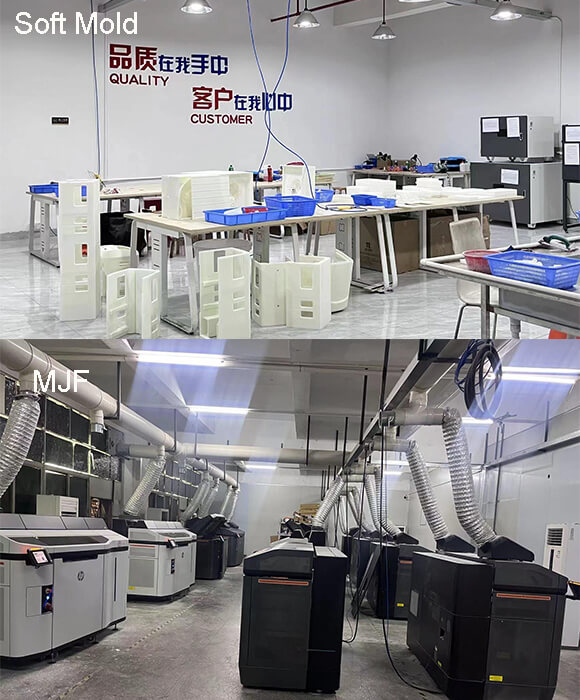
MJF는 잉크와 열에너지를 이용하여 고분자 분말을 층층이 접착합니다. PA12는 안정적인 강도와 우수한 충격 성능을 지닌 주재료로 사용됩니다. 이 프로토타입 제작 공정은 자동차, 산업 자동화, 로봇 공학 및 소비자 전자 제품 분야에서 스냅핏 사이클링, 하중, 충격 및 장기 조립 내구성 테스트를 위한 정밀한 MJF 제품 프로토타입을 생산합니다. |
3D 프린팅 응용 분야 |
|||
소비자 가전 3D 프로토타이핑소비재 개발자들은 3D 프로토타입을 활용하여 새로운 전자 제품의 인체공학적 설계, 표면 질감, 조립 공간 등을 테스트함으로써 값비싼 금형 제작 없이도 설계 수정을 신속하게 진행할 수 있습니다. 대표적인 프로토타입으로는 휴대전화 액세서리, 웨어러블 기기 케이스, 휴대용 기기 케이스 등이 있습니다. |
산업 장비 3D 프로토타이핑산업 제조 분야에서 3D 프린팅은 보조 공구, 기능성 부품 및 소량 맞춤형 부품 생산에 사용됩니다. 대표적인 품목으로는 조립 지그, 검사 도구, 기계 부품 및 맞춤형 예비 부품, 견고한 태블릿, 스캐너, 로봇 등이 있습니다. |
자동차 3D 프로토타이핑자동차 업계는 복잡한 구조 및 기능 프로토타입을 제작하기 위해 3D 프로토타이핑을 도입하여 제품 개발 기간을 단축하고 있습니다. 대시보드 프로토타입, 자동차 내장 부품, 흡기 시스템 프로토타입, 경량 구조 부품 등이 대표적인 예입니다. |
의료 분야에서의 3D 프린팅 활용의료 분야에서는 해부학적 모델, 수술 계획 모델, 맞춤형 보조 장치 등을 제작하기 위해 3D 프로토타이핑을 사용하며, 이러한 모든 제품은 관련 안전 및 규제 요건을 충족해야 합니다. 대표적인 예로는 의료 기기, 의료용 태블릿, 경구용 제품, 혈중 산소 측정기 등이 있습니다. |
|
|
|
|
|
3D 프린팅의 장점3D 프린팅은 재료를 층층이 쌓아 올려 부품을 제작하는 적층 제조 공정으로, 맞춤형 금형이 필요 없으며 기존 방식으로는 제작하기 어려운 속이 빈 구조물이나 내부 유동 채널과 같은 복잡한 형상을 일체형으로 제작할 수 있어 초기 금형 제작 비용을 절감할 수 있습니다. 아래는 3D 프린팅 프로토타입의 장점입니다.
저희는 단품 주문도 받으며, 유연한 설계 변경을 수용하여 업데이트된 CAD 파일을 신속하게 새로운 샘플로 제작함으로써 개발 주기를 단축시켜 드립니다. 또한, 완벽한 후처리를 통해 육안 검토 또는 신뢰성 테스트를 위한 부품을 바로 제공해 드리고, 별도의 외부 공급업체와 협력해야 하는 번거로움을 없애드립니다. |
 |
||


실리콘 성형/진공 주조소량의 플라스틱 부품 생산에는 강철 금형이 필요하지 않습니다.
|
|||||||||
|
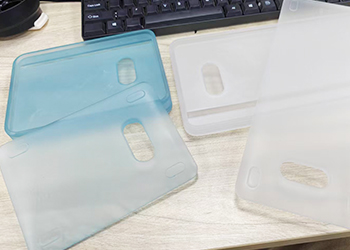
진공 주조(폴리우레탄 진공 주조라고도 함)는 플라스틱 부품의 소량 사출 성형에 대한 경제적인 대안이며, 최종 성형 부품이나 완제품을 매우 정밀하게 모방하는 데 사용할 수 있습니다. 일반적으로 금형은 실리콘 고무로 만들어지며 CNC 또는 SLA 방식으로 제작된 부품을 마스터 금형으로 사용합니다. 이러한 금형은 제품의 모든 구조적 세부 사항과 표면 질감을 재현할 수 있습니다. 주조 방식을 사용하면 다른 제품을 복제할 수 있습니다. 실리콘 금형 세트 하나로 10~15세트의 제품을 복제할 수 있습니다. 폴리우레탄 수지는 다양한 특성과 용도를 지닌 고분자입니다. 당사는 일본의 Hei-Cast와 프랑스의 Axs0n을 포함하여 고객의 응용 분야 요구 사항을 충족하는 다양한 폴리우레탄 소재를 제공합니다. 폴리우레탄 수지는 ABS, PMMA, PC, PP, PA, TPU 등과 같은 엔지니어링 생산용 플라스틱과 유사한 특성을 지닌 소재입니다. 주조 부품은 투명 및 반투명부터 유색까지, 연질 고무부터 경질 플라스틱까지 다양하게 제작할 수 있습니다. 내충격성, 내열성(120℃) 또는 내화성(UL94-V0)을 갖춘 소재는 물론, 유리 섬유 강화 수지 및 쇼어 A 경도 50A, 60A, 70A, 80A, 90A 등 다양한 경도의 실리콘을 함유한 소재도 제공합니다. |
|||||||||
Silicone Molding Specification
|
Vacuum Casting Advantages
|
||||||||
Silicone Solf Mold Prototypes Application |
|||||||||
|
|||||||||
Steps of Mold ReplicationVacuum casting consists of three core stages: master pattern fabrication, silicone mold making and part replication. Master pattern fabrication: We start from your CAD 3D files and build the master prototype via CNC machining or 3D printing such as SLA and SLS. Post-processing is carried out to refine fits and surface quality before this master is used for mold duplication. Silicone mold making: The finished master is mounted inside a casting box, with runners and vents arranged in advance. Liquid silicone is poured around the master and degassed under vacuum, then cured in an oven at 40°C for 8 to 16 hours depending on mold volume. Once cured, the master is removed from solidified silicone to form the mold cavit Part replication: Prepared resin is injected into the silicone mold cavity inside a vacuum chamber, followed by a second oven curing cycle. Small parts take 1–3 hours while larger components need 3–6 hours. Finished castings are demolded after curing and the cycle repeats to produce more copies. |
 |
||||||||

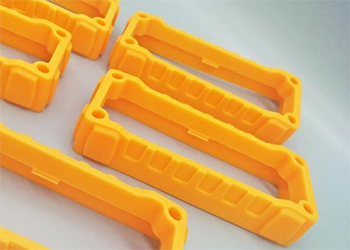
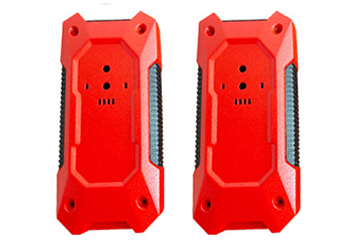
Low Pressure Injection |
|
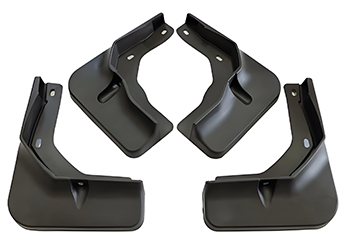
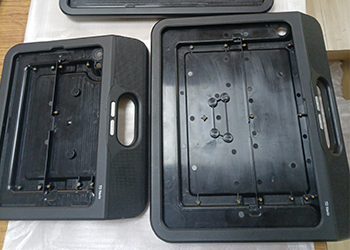
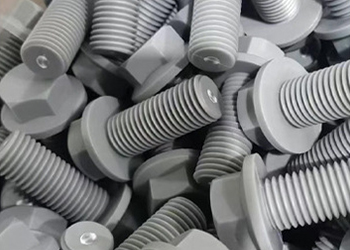
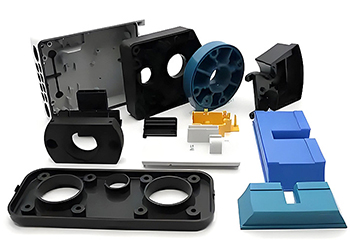
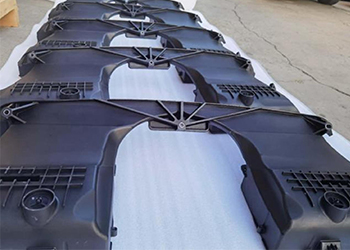
| Low-pressure injection molding is also known as low pressure reactive injection molding. It is a new process applied to the production of rapid molded products. It has the advantages of high efficiency, short production cycle, simple process and low cost. It is suitable for small batch trial production in the product development process, as well as small-batch production of relatively simple structure coverings and large thick walled and unevenly thick-walled products. It is generally used for the production of large plastic handboard shells in the automotive and medical industries. | |
|
|
Technical parameters
|
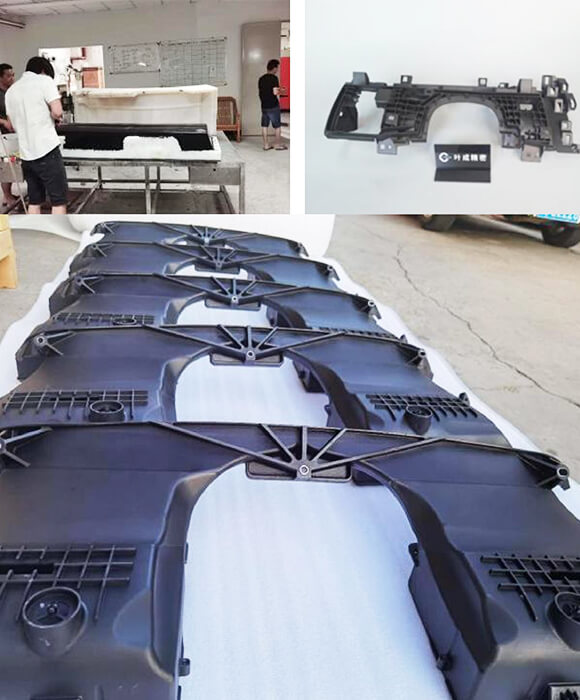
CNC 가공 |
|||
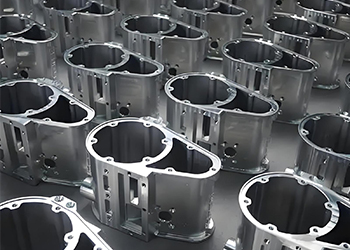
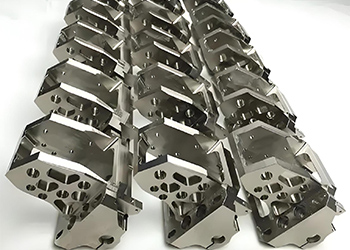
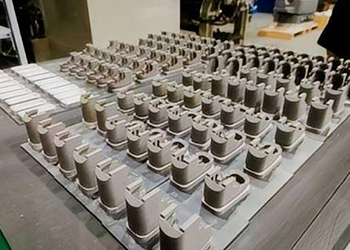
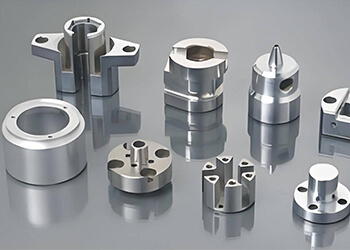
| CNC machining uses rotating cutting tools to shape precise parts from solid material blocks such as aluminum, copper, ABS, POM and acrylic.It delivers tight dimensional accuracy and smooth raw surfaces. This reliable process suits functional product prototype builds that demand stable mechanical performance. It handles simple and complex solid structures well and supports various follow-up surface treatments such as polishing, painting and sandblasting. | |||
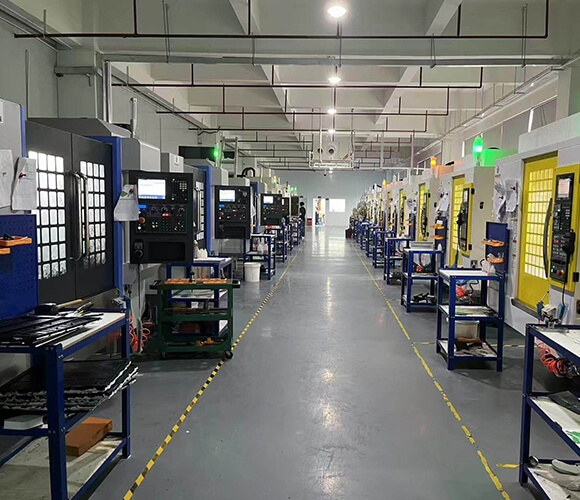
Metal Alloy CNC Machining ServiceCNC Machining: Full series processing of plastic and metal parts, capable of handling complex and difficult cases, minimum order quantity of 1 piece, mainly for prototype and small batch orders, with 50 sets of 3-axis, 4-axis and 5-axis equipment. We focus on the manufacturing of non-standard precision metal parts with complex structures and are committed to providing customers with highly accurate and consistent components. We continue to invest in new equipment and skilled staff to ensure that our team maintains a strong competitive edge. We have also been constantly improving our aluminum processing techniques to enhance efficiency and quality, and continuously meet the production demands of our customers.
|
 |
||
Advantages of Small Batch CNC MachiningOur small-batch manufacturing service can offer you customized services for quantities ranging from 1 to 10,000 pieces, enabling you to bring your products to the market.
|
ApplicationPick CNC machining for your product prototype that calls for high dimensional accuracy and stable material performance, including parts cut from real engineering stock instead of cast resin with strength, heat resistance or wear resistance needs, plus single samples and small batches requiring quality surfaces and further finishin. It supports prototype validation for automotive, medical device, industrial automation and premium consumer electronics projects such as automotive sensor brackets, medical instrument housings, automation jigs and high-precision electronic enclosures. |
||
|
|
|
|
|
판금 가공 |
|||
|
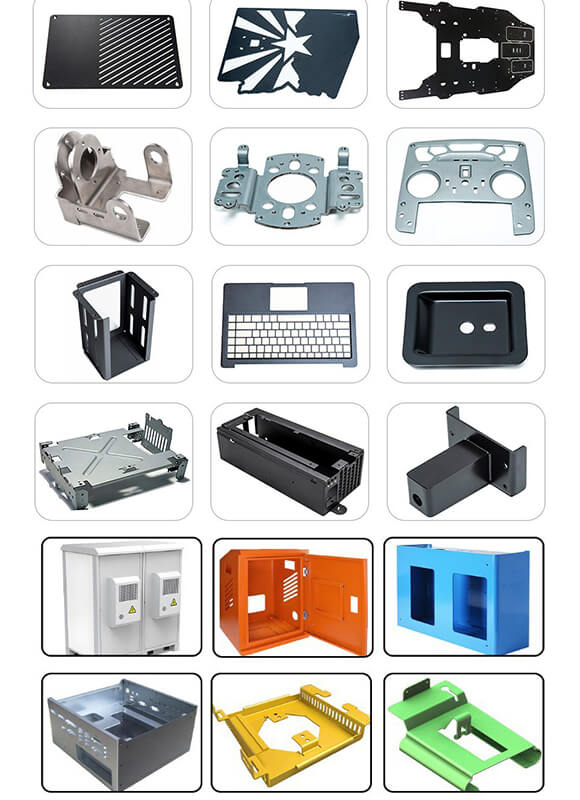
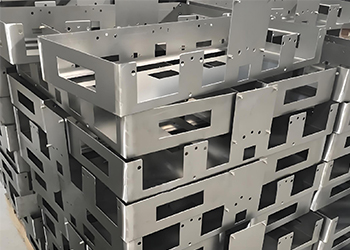
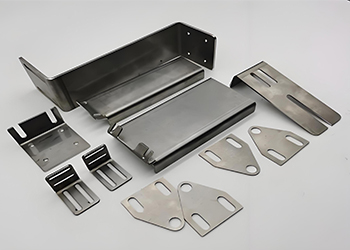
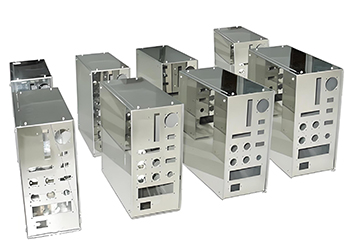
The main processes include shearing, bending and flanging, forming by bending, welding, riveting, which require a certain amount of geometric knowledge. Sheet metal parts are thin plate hardware parts, which are components that can be processed by means of stamping, bending, stretching. A general definition is that they are parts whose thickness remains unchanged during the processing. Correspondingly, there are castings, forgings, machined parts.
|
|||
Metal Alloy Material OptionsCommon materials for sheet metal processing: cold-rolled sheet (SPCC), hot-rolled sheet (SHCC), galvanized sheet (SECC, SGCC), copper (CU), brass, red copper, beryllium copper, aluminum sheet (6061, 5052, 1010, 1060, 6063, hard aluminum, etc.), stainless steel (mirror finish, brushed finish, matte finish). Depending on the different functions of the product, different materials are selected. Generally, it is necessary to consider the product’s application and cost.
|
 |
||
 |
 |
 |
 |
프로토타입 개발 |
|||
NDA |
DFM |
품질 관리 |
One-stop service |
| we can sign a Non-Disclosure Agreement (NDA), with all confidential materials you share including 3D drawings, prototype plans, structural data and samples for your product prototype restricted to this project and accessible only to essential team members. No information, prototype parts or project photos will be released or used for promotional purposes without your written approval to safeguard your R&D designs and commercial privacy. | The DFM review delivers upfront engineering support for your product prototype during prototype development, assessing model manufacturability before production with our full process expertise across CNC, SLA, SLS, MJF, vacuum casting, sheet metal and injection molding once we receive your 3D drawings. It identifies structural bottlenecks, material warpage, tolerance mismatches and finishing compatibility risks in advance, forecasts cost and lead time issues and delivers graded risk notes with actionable optimization plans. | We manage risks for your product prototype across prototype development with a traceable end-to-end quality control chain.The first sample receives FAI full dimensional inspection with CMM, 2D optical machines and laser scanners to confirm tolerances before production, cutting rework from out-of-spec dimensions and assembly issues.IPQC patrols catch warpage and tool marks during processing, while FQC verifies dimensions, appearance, fit and surface finishes ahead of OQC shipment review with inspection reports available on request. | As trusted prototype makers, we provide one-stop service spanning product prototype samples, mold development and mass production to support your prototype development. Our secure data protection system guards your drawings and project files under NDA to protect your innovations. We deliver tailored comprehensive solutions matching your goals and budget for prototype validation, pilot runs and mass orders. Consistent quality assurance stabilizes yield, optimized scheduling ensures on time delivery and reliable logistics are available to free you from coordinating multiple suppliers. |
 |
 |
 |
|
 |
-

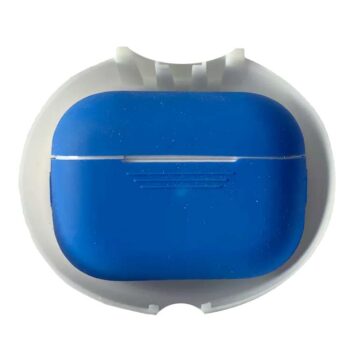 제품 프로토타입그랜드샤인 패스트 프로토타입 서비스
그랜드샤인은 맞춤형 플라스틱 사출 금형, 실리콘 금형, 금속 합금 다이캐스트 금형 및 대량 생산 등 제품 개발 서비스를 제공합니다. 성형 전 신속한 프로토타입 서비스를 제공하여 신규 프로젝트의 성공을 보장합니다.
각 프로젝트의 여러 단계에서 프로토타입 제작을 진행합니다. 이를 통해 최대한 효율적인 개발이 보장됩니다. 래피드 프로토타입 제작은 제품의 목업을 제작하는 과정입니다. 이후, 목업을 검토, 평가, 개선 과정을 거쳐 최고 품질의 제품을 완성합니다.
프로토타입 제작은 제품의 미적 감각을 명확하게 파악할 수 있는 기회를 제공할 뿐만 아니라, 직접 만져보고, 느껴보고, 강도와 크기를 느껴볼 수 있도록 해줍니다. 프로토타입은 제품의 인체공학적 측면을 이해하는 데 필수적입니다.
Grandshine은 양산 전에 신속한 프로토타입 제작을 항상 지원합니다. 또한, 디자인이 양산에 적합한지 확인하고 프로젝트 실패 시 발생하는 비용을 절감해 드립니다.
Rapid prototyping services for functional and appearance prototypes. 3D printing, CNC machining and silicone vacuum casting from CAD files to production-ready prototypes.
FAQ:
1) Q : Which prototyping process should I pick for my project?
A :We offer 3D printing, CNC machining and silicone molding. 3D printing delivers fast concept and functional prototypes, CNC produces high-precision solid parts from real engineering stock, and silicone molding handles low-volume replica runs, with recommendations based on your tolerance, surface requirement and order quantity.
2) Q: What does the 5–15 day lead time depend on?
A:Our standard turnaround runs 5 to 15 days. Actual lead time changes with part complexity, size, finishing requirements and order quantity.
3)Q: Does your quotation include finishing work? What is the maximum quantity for small batch prototype orders?
A: Basic quotation covers prototype forming only. Polishing, painting, silk screening and other post-processing are separate items. Our silicone molding service supports low volume replication, contact us to confirm your target quantity.
4) Q: What materials are available for prototype making?
A: We support a wide range of engineering plastics, resins, nylon and metals. Material selection covers different demands on toughness, heat resistance, impact performance and cosmetic finish.