Product Prototype
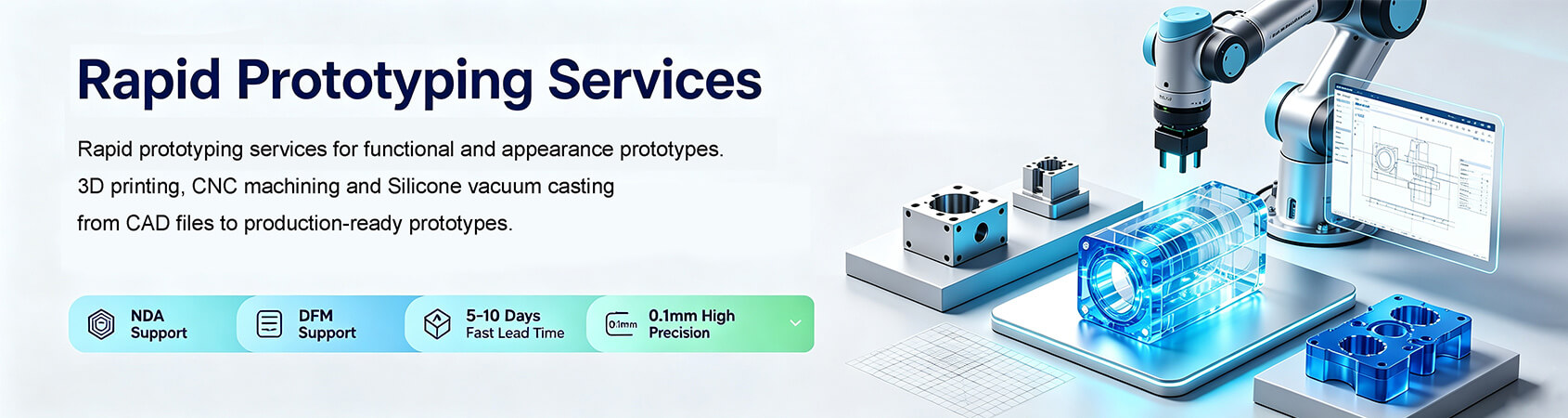
Rapid Prototyping Services | 3D Printing, CNC & Vacuum CastingAs leading prototype makers in China, Grandshine delivers integrated technical solutions for product prototype builds. We offer rapid prototyping services including 3D printing, CNC machining and silicone molding. We support a wide selection of engineering materials with high precision output. Our fast turnaround ranges from 5 to 15 days for prototype validation and low volume production. |
Technical Engineering |
||
3D Printing |
CNC Machining |
Silicone Molding |
| 3D printing, a flexible part of the prototype process, builds parts layer by layer directly from CAD files with no tooling cost and works well for fast concept models and complex geometries for rapid design validation. | CNC machining cuts solid stock material directly from CAD data to deliver precise, sturdy prototypes within this prototype process .It suits a small ball prototyping with tight tolerances and stable engineering material performance. | Silicone molding, also known as vacuum casting, uses a master pattern to duplicate plastic parts and serves as a reliable step in the prototype process. It works well for small batches, offering low cost and similar properties to injection molded parts. |
 |
 |
 |
Sheet Metal Processing |
Prototype Post-processing |
Injection Molding |
| Sheet metal processing bends cuts and forms metal sheets following CAD drawings as a practical branch within the prototype process.It fits metal housing prototypes, offering good structural strength and fast turnaround for functional verification. | Prototype post processing covers sanding polishing coating and plating for refined prototype builds. These treatments fix surface flaws and upgrade look, texture and wear resistance to match your final product standard. | Injection molding produces identical plastic parts with consistent quality for later stages of the prototype process and suits larger batch validation that requires tooling, making it ideal for testing mass production performance before formal launch |
 |
 |
 |
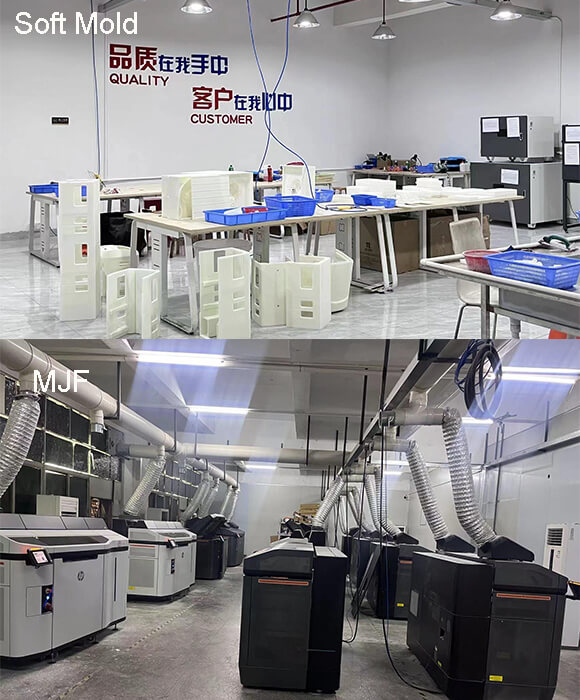
3D Printing3D printing is an efficient manufacturing technology that creates parts layer by layer from digital . As experienced prototype makers, we have over 300 3D printing devices covering the full range of materials such as resin, nylon and metal, including 110 SLA devices, 30 SLS devices, 12 MFJ devices, 10 SLM devices and 150 FDM devices.Our advanced 3D prototyping capabilities allow us to produce multiple identical parts in a single build, improving production efficiency and supporting everything from rapid prototyping to small batch manufacturing for resin, nylon, metal and other materials. |
|||
FDM |
SLA / DLP |
SLS |
MJF |
|
FDM uses filaments including PLA, ABS, PETG and TPU to build parts by melting and extruding material layer by layer. PLA carries a low cost but remains brittle while ABS and PETG offer stronger toughness. This prototype process fits fast concept and basic functional product prototypes without strict surface requirements. It works well for early stage consumer electronics design reviews, home appliance styling checks and automotive concept models, where teams prioritize quick iteration and low cost instead of flawless surface finish. |
SLA and DLP cure liquid resin layer by layer with light. Common resins include low cost general clear and high strength grades that yield fine details and smooth surfaces. This prototype process works well for visual product prototypes needing crisp features.Built for high cosmetic standards and CMF evaluation, this prototype process creates detailed visual prototypes for consumer electronics, medical devices, automotive interiors, home appliances, robotics and aerospace. |
SLS prototype fine polymer powder layer by layer with laser heat. PA12 and PA are typical powder materials. They offer great strength and wear resistance. This prototype process produces complex parts ready for functional tests including snap-fit cycling, impact and assembly durability checks, with no mandatory surface polishing required. |
MJF bonds polymer powder layer by layer with ink and thermal energy. PA12 serves as the main material with stable strength and good impact performance. This prototype process produces finely detailed MJF product prototypes for snap fit cycling, load, impact and long term assembly durability tests in automotive, industrial automation, robotics and consumer electronics. |
3D Printing Application |
|||
Consumer Electronics 3D PrototypingConsumer product developers use 3D prototyping to test ergonomics, surface texture and assembly clearance for new electronic goods, speeding up design tweaks without expensive molds. Typical prototypes include phone accessories, wearable casings and portable gadget shells. |
Industrial Equipment 3D PrototypingWithin industrial manufacturing, 3D printing produces auxiliary tooling, functional parts and low-volume custom components. Typical items include assembly fixtures, inspection tools, mechanical components and custom spare parts, rugged tablet, scanner, robot etc. |
Automotive 3D prototypingAutomotive players adopt 3D prototyping to produce intricate structural and functional prototypes, reducing lead times for product development. Dashboard prototypes, automotive interior components, intake system prototypes and lightweight structural parts are typical examples. |
3D Printing in Medical ApplicationsThe medical sector uses 3D prototyping to produce anatomical models, surgical planning models and custom assistive devices, all of which must meet relevant safety and regulatory requirements. such as medical equipment, medical tablet, oral products, Blood oxygen meter etc. |
|
|
|
|
|
3D Printing Advantages3D printing is an additive manufacturing process that builds parts by depositing material layer by layer, requiring no custom tooling and enabling one-piece formation of complex geometries such as hollow structures and internal flow channels that are difficult to produce with conventional methods to cut your high upfront tooling costs. Below is advantages of 3D printing prototypes.
We accept one off orders and accommodate flexible design adjustments, turning updated CAD files into new samples rapidly to shorten your development cycles, with full post-processing available to deliver parts ready for visual review or reliability testing and remove the hassle of coordinating separate external suppliers. |
 |
||


Silicone Molding / Vacuum CastingNot need steel molds to produce small batch plastic parts
|
|||||||||
|
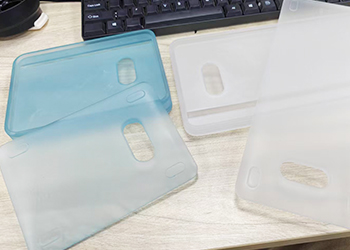
Vacuum casting (also known as polyurethane vacuum casting) is an economical alternative to small-batch injection molding of plastic parts and can be used to closely simulate the final formed parts or finished products. Typically, molds are made of silicone rubber and use CNC or SLA parts as master molds. These molds can replicate every structural detail and surface texture of the product By using casting, another product can be replicated. One set of silicone molds can replicate 10 to 15 sets of products. Polyurethane resin is a polymer with a wide range of properties and applications. We offer a wide range of polyurethane materials to meet your application requirements, including Hei-Cast from Japan and Axs0n from France. It is a material with certain properties, similar to engineering production plastics, such as ABS, PMMA, PC, PP, PA, TPU etc. Casting parts can range from transparent and semi transparent to colored, and from soft rubber to hard plastic. A variety of materials include impact-resistant, high-temperature resistant (120℃) or fire-resistant (UL94-V0), glass-filled resins and silicone of different hardness Shore A, like 50A, 60A, 70A, 80A 90A. |
|||||||||
Silicone Molding Specification
|
Vacuum Casting Advantages
|
||||||||
Silicone Solf Mold Prototypes Application |
|||||||||
|
|||||||||
Steps of Mold ReplicationVacuum casting consists of three core stages: master pattern fabrication, silicone mold making and part replication. Master pattern fabrication: We start from your CAD 3D files and build the master prototype via CNC machining or 3D printing such as SLA and SLS. Post-processing is carried out to refine fits and surface quality before this master is used for mold duplication. Silicone mold making: The finished master is mounted inside a casting box, with runners and vents arranged in advance. Liquid silicone is poured around the master and degassed under vacuum, then cured in an oven at 40°C for 8 to 16 hours depending on mold volume. Once cured, the master is removed from solidified silicone to form the mold cavit Part replication: Prepared resin is injected into the silicone mold cavity inside a vacuum chamber, followed by a second oven curing cycle. Small parts take 1–3 hours while larger components need 3–6 hours. Finished castings are demolded after curing and the cycle repeats to produce more copies. |
 |
||||||||

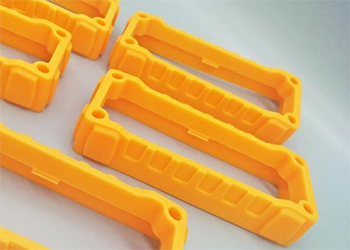
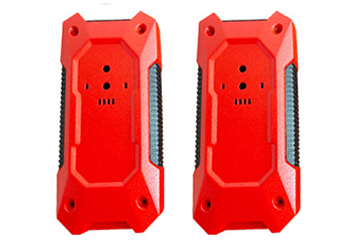
Low Pressure Injection |
|
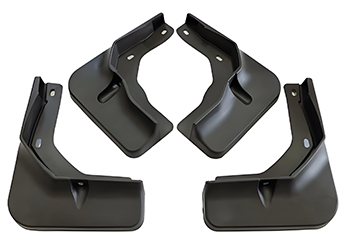
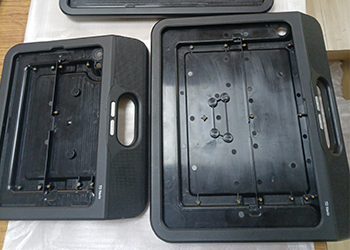
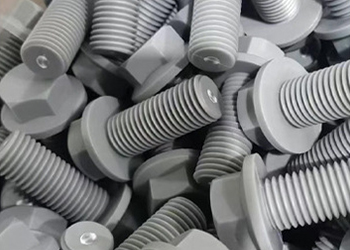
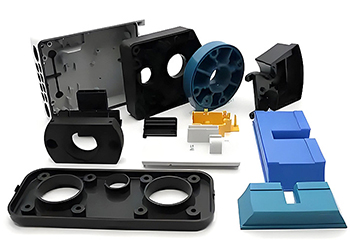
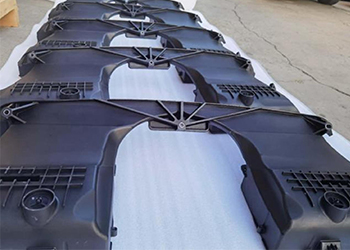
| Low-pressure injection molding is also known as low pressure reactive injection molding. It is a new process applied to the production of rapid molded products. It has the advantages of high efficiency, short production cycle, simple process and low cost. It is suitable for small batch trial production in the product development process, as well as small-batch production of relatively simple structure coverings and large thick walled and unevenly thick-walled products. It is generally used for the production of large plastic handboard shells in the automotive and medical industries. | |
|
|
Technical parameters
|
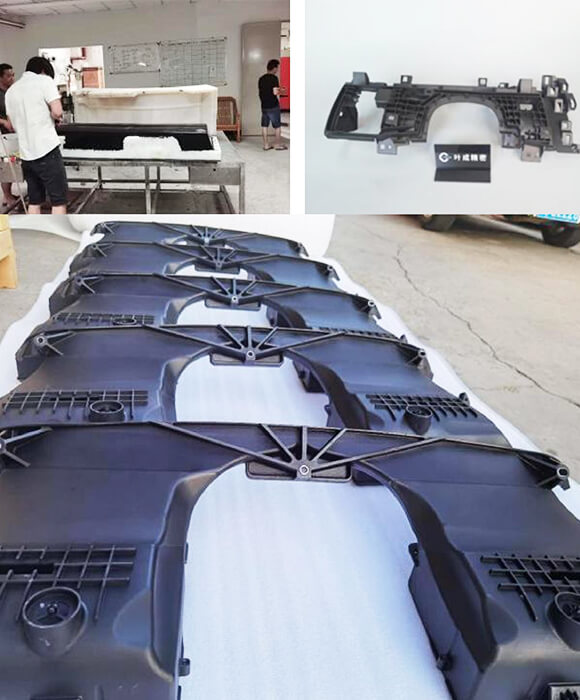
CNC Machining |
|||
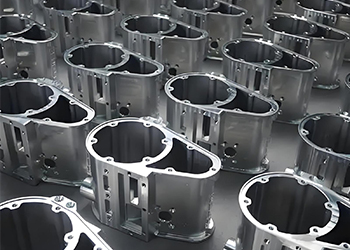
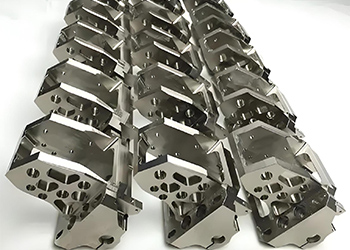
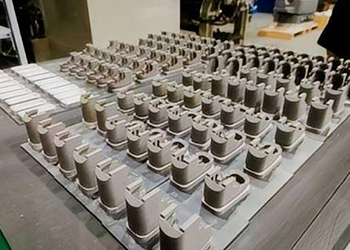
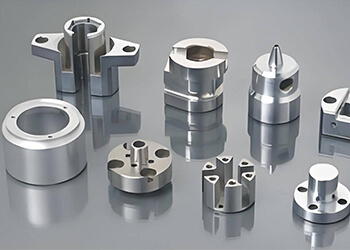
| CNC machining uses rotating cutting tools to shape precise parts from solid material blocks such as aluminum, copper, ABS, POM and acrylic.It delivers tight dimensional accuracy and smooth raw surfaces. This reliable process suits functional product prototype builds that demand stable mechanical performance. It handles simple and complex solid structures well and supports various follow-up surface treatments such as polishing, painting and sandblasting. | |||
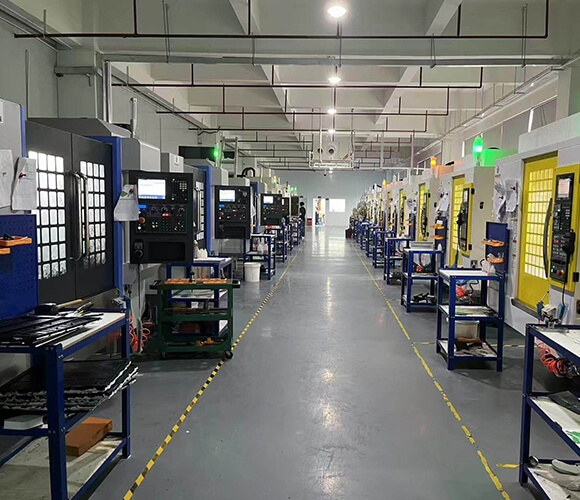
Metal Alloy CNC Machining ServiceCNC Machining: Full series processing of plastic and metal parts, capable of handling complex and difficult cases, minimum order quantity of 1 piece, mainly for prototype and small batch orders, with 50 sets of 3-axis, 4-axis and 5-axis equipment. We focus on the manufacturing of non-standard precision metal parts with complex structures and are committed to providing customers with highly accurate and consistent components. We continue to invest in new equipment and skilled staff to ensure that our team maintains a strong competitive edge. We have also been constantly improving our aluminum processing techniques to enhance efficiency and quality, and continuously meet the production demands of our customers.
|
 |
||
Advantages of Small Batch CNC MachiningOur small-batch manufacturing service can offer you customized services for quantities ranging from 1 to 10,000 pieces, enabling you to bring your products to the market.
|
ApplicationPick CNC machining for your product prototype that calls for high dimensional accuracy and stable material performance, including parts cut from real engineering stock instead of cast resin with strength, heat resistance or wear resistance needs, plus single samples and small batches requiring quality surfaces and further finishin. It supports prototype validation for automotive, medical device, industrial automation and premium consumer electronics projects such as automotive sensor brackets, medical instrument housings, automation jigs and high-precision electronic enclosures. |
||
|
|
|
|
|
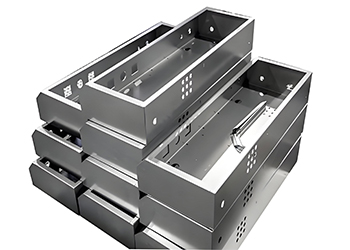
Sheet Metal Processing |
|||
|
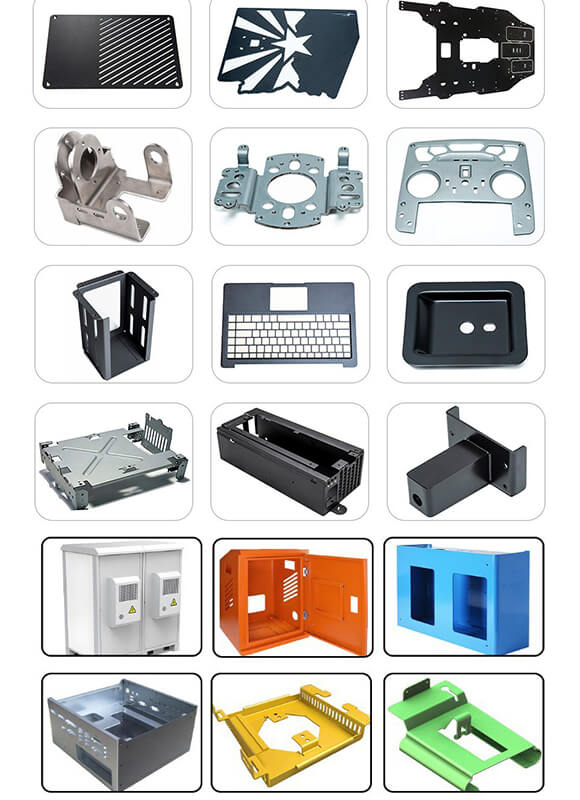
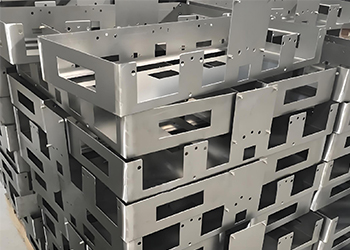
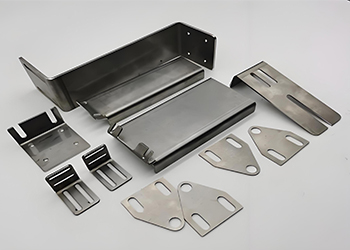
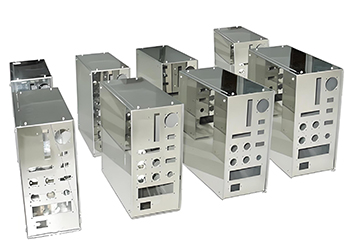
The main processes include shearing, bending and flanging, forming by bending, welding, riveting, which require a certain amount of geometric knowledge. Sheet metal parts are thin plate hardware parts, which are components that can be processed by means of stamping, bending, stretching. A general definition is that they are parts whose thickness remains unchanged during the processing. Correspondingly, there are castings, forgings, machined parts.
|
|||
Metal Alloy Material OptionsCommon materials for sheet metal processing: cold-rolled sheet (SPCC), hot-rolled sheet (SHCC), galvanized sheet (SECC, SGCC), copper (CU), brass, red copper, beryllium copper, aluminum sheet (6061, 5052, 1010, 1060, 6063, hard aluminum, etc.), stainless steel (mirror finish, brushed finish, matte finish). Depending on the different functions of the product, different materials are selected. Generally, it is necessary to consider the product’s application and cost.
|
 |
||
 |
 |
 |
 |
Prototype Development |
|||
NDA |
DFM |
Quality Control |
One-stop service |
| we can sign a Non-Disclosure Agreement (NDA), with all confidential materials you share including 3D drawings, prototype plans, structural data and samples for your product prototype restricted to this project and accessible only to essential team members. No information, prototype parts or project photos will be released or used for promotional purposes without your written approval to safeguard your R&D designs and commercial privacy. | The DFM review delivers upfront engineering support for your product prototype during prototype development, assessing model manufacturability before production with our full process expertise across CNC, SLA, SLS, MJF, vacuum casting, sheet metal and injection molding once we receive your 3D drawings. It identifies structural bottlenecks, material warpage, tolerance mismatches and finishing compatibility risks in advance, forecasts cost and lead time issues and delivers graded risk notes with actionable optimization plans. | We manage risks for your product prototype across prototype development with a traceable end-to-end quality control chain.The first sample receives FAI full dimensional inspection with CMM, 2D optical machines and laser scanners to confirm tolerances before production, cutting rework from out-of-spec dimensions and assembly issues.IPQC patrols catch warpage and tool marks during processing, while FQC verifies dimensions, appearance, fit and surface finishes ahead of OQC shipment review with inspection reports available on request. | As trusted prototype makers, we provide one-stop service spanning product prototype samples, mold development and mass production to support your prototype development. Our secure data protection system guards your drawings and project files under NDA to protect your innovations. We deliver tailored comprehensive solutions matching your goals and budget for prototype validation, pilot runs and mass orders. Consistent quality assurance stabilizes yield, optimized scheduling ensures on time delivery and reliable logistics are available to free you from coordinating multiple suppliers. |
 |
 |
 |
|
 |
-

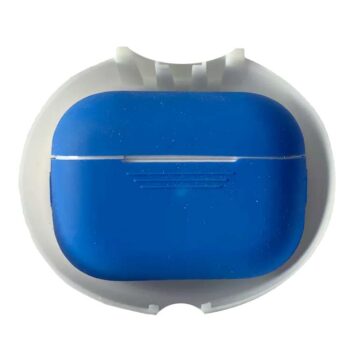 Product PrototypeGrandshine Fast Prototype Service
Grandshine provide custom plastic injection mold, silicone mold, metal alloy die cast mold and mass production etc product development service. Before molding, we offer fast prototype service to ensure success of your new project.
We carry out Prototyping during various phases of each project. Thus maximum possible efficient development is ensured. Rapid Prototyping involves getting mock-ups of the product. This is then reviewed evaluated and refined until the best quality product is achieved.
Prototyping gives the opportunity to get a clear idea of aesthetics, beside allowing one to touch, feel, and get a sense of its strength and size. Prototypes are essential to understand the ergonomic aspects of the product.
Grandshine is always support you fast prototype before mass production. And ensure your design is workable for mass production and save cost of project failure.
Rapid prototyping services for functional and appearance prototypes. 3D printing, CNC machining and silicone vacuum casting from CAD files to production-ready prototypes.
FAQ:
1) Q : Which prototyping process should I pick for my project?
A :We offer 3D printing, CNC machining and silicone molding. 3D printing delivers fast concept and functional prototypes, CNC produces high-precision solid parts from real engineering stock, and silicone molding handles low-volume replica runs, with recommendations based on your tolerance, surface requirement and order quantity.
2) Q: What does the 5–15 day lead time depend on?
A:Our standard turnaround runs 5 to 15 days. Actual lead time changes with part complexity, size, finishing requirements and order quantity.
3)Q: Does your quotation include finishing work? What is the maximum quantity for small batch prototype orders?
A: Basic quotation covers prototype forming only. Polishing, painting, silk screening and other post-processing are separate items. Our silicone molding service supports low volume replication, contact us to confirm your target quantity.
4) Q: What materials are available for prototype making?
A: We support a wide range of engineering plastics, resins, nylon and metals. Material selection covers different demands on toughness, heat resistance, impact performance and cosmetic finish.