Прототип продукта
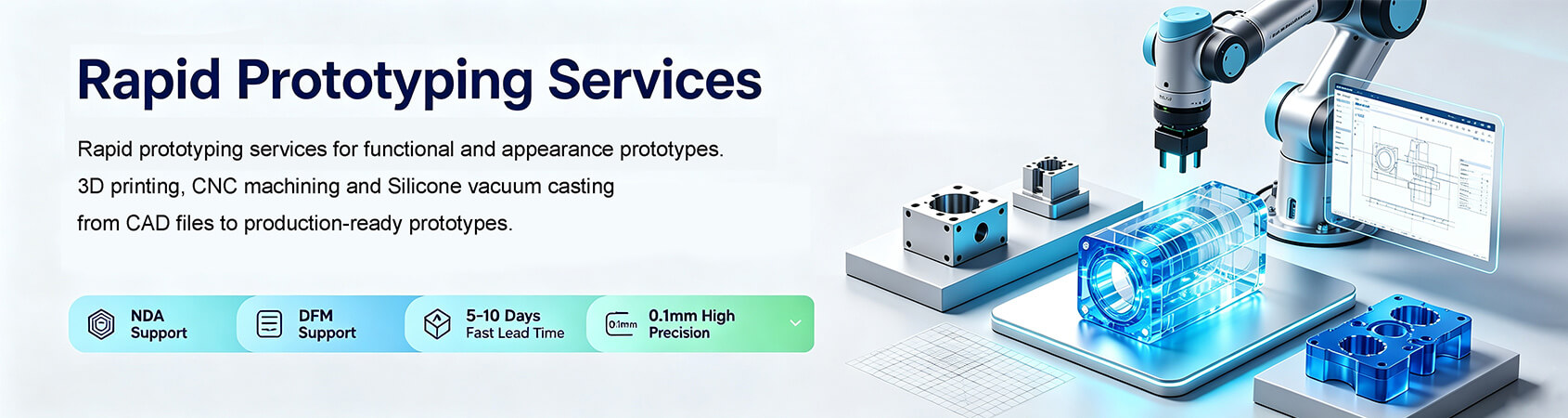
Rapid Prototyping Services | 3D Printing, CNC & Vacuum CastingAs leading prototype makers in China, Grandshine delivers integrated technical solutions for product prototype builds. We offer rapid prototyping services including 3D printing, CNC machining and silicone molding. We support a wide selection of engineering materials with high precision output. Our fast turnaround ranges from 5 to 15 days for prototype validation and low volume production. |
Technical Engineering |
||
3D-печать |
Обработка на станках с ЧПУ |
Silicone Molding |
| 3D printing, a flexible part of the prototype process, builds parts layer by layer directly from CAD files with no tooling cost and works well for fast concept models and complex geometries for rapid design validation. | CNC machining cuts solid stock material directly from CAD data to deliver precise, sturdy prototypes within this prototype process .It suits a small ball prototyping with tight tolerances and stable engineering material performance. | Silicone molding, also known as vacuum casting, uses a master pattern to duplicate plastic parts and serves as a reliable step in the prototype process. It works well for small batches, offering low cost and similar properties to injection molded parts. |
 |
 |
 |
Sheet Metal Processing |
Prototype Post-processing |
Литье под давлением |
| Sheet metal processing bends cuts and forms metal sheets following CAD drawings as a practical branch within the prototype process.It fits metal housing prototypes, offering good structural strength and fast turnaround for functional verification. | Prototype post processing covers sanding polishing coating and plating for refined prototype builds. These treatments fix surface flaws and upgrade look, texture and wear resistance to match your final product standard. | Injection molding produces identical plastic parts with consistent quality for later stages of the prototype process and suits larger batch validation that requires tooling, making it ideal for testing mass production performance before formal launch |
 |
 |
 |
3D-печать3D printing is an efficient manufacturing technology that creates parts layer by layer from digital . As experienced prototype makers, we have over 300 3D printing devices covering the full range of materials such as resin, nylon and metal, including 110 SLA devices, 30 SLS devices, 12 MFJ devices, 10 SLM devices and 150 FDM devices.Our advanced 3D prototyping capabilities allow us to produce multiple identical parts in a single build, improving production efficiency and supporting everything from rapid prototyping to small batch manufacturing for resin, nylon, metal and other materials. |
|||
FDM |
SLA / DLP |
СЛС |
MJF |
|
FDM uses filaments including PLA, ABS, PETG and TPU to build parts by melting and extruding material layer by layer. PLA carries a low cost but remains brittle while ABS and PETG offer stronger toughness. This prototype process fits fast concept and basic functional product prototypes without strict surface requirements. It works well for early stage consumer electronics design reviews, home appliance styling checks and automotive concept models, where teams prioritize quick iteration and low cost instead of flawless surface finish. |
SLA and DLP cure liquid resin layer by layer with light. Common resins include low cost general clear and high strength grades that yield fine details and smooth surfaces. This prototype process works well for visual product prototypes needing crisp features.Built for high cosmetic standards and CMF evaluation, this prototype process creates detailed visual prototypes for consumer electronics, medical devices, automotive interiors, home appliances, robotics and aerospace. |
SLS prototype fine polymer powder layer by layer with laser heat. PA12 and PA are typical powder materials. They offer great strength and wear resistance. This prototype process produces complex parts ready for functional tests including snap-fit cycling, impact and assembly durability checks, with no mandatory surface polishing required. |
MJF bonds polymer powder layer by layer with ink and thermal energy. PA12 serves as the main material with stable strength and good impact performance. This prototype process produces finely detailed MJF product prototypes for snap fit cycling, load, impact and long term assembly durability tests in automotive, industrial automation, robotics and consumer electronics. |
3D Printing Application |
|||
Consumer Electronics 3D PrototypingConsumer product developers use 3D prototyping to test ergonomics, surface texture and assembly clearance for new electronic goods, speeding up design tweaks without expensive molds. Typical prototypes include phone accessories, wearable casings and portable gadget shells. |
Industrial Equipment 3D PrototypingWithin industrial manufacturing, 3D printing produces auxiliary tooling, functional parts and low-volume custom components. Typical items include assembly fixtures, inspection tools, mechanical components and custom spare parts, rugged tablet, scanner, robot etc. |
Automotive 3D prototypingAutomotive players adopt 3D prototyping to produce intricate structural and functional prototypes, reducing lead times for product development. Dashboard prototypes, automotive interior components, intake system prototypes and lightweight structural parts are typical examples. |
3D Printing in Medical ApplicationsThe medical sector uses 3D prototyping to produce anatomical models, surgical planning models and custom assistive devices, all of which must meet relevant safety and regulatory requirements. such as medical equipment, medical tablet, oral products, Blood oxygen meter etc. |
|
|
|
|
|
3D Printing Advantages3D printing is an additive manufacturing process that builds parts by depositing material layer by layer, requiring no custom tooling and enabling one-piece formation of complex geometries such as hollow structures and internal flow channels that are difficult to produce with conventional methods to cut your high upfront tooling costs. Below is advantages of 3D printing prototypes.
We accept one off orders and accommodate flexible design adjustments, turning updated CAD files into new samples rapidly to shorten your development cycles, with full post-processing available to deliver parts ready for visual review or reliability testing and remove the hassle of coordinating separate external suppliers. |
 |
||


Silicone Molding / Vacuum CastingNot need steel molds to produce small batch plastic parts
|
|
|
Vacuum casting (also known as polyurethane vacuum casting) is an economical alternative to small-batch injection molding of plastic parts and can be used to closely simulate the final formed parts or finished products. Typically, molds are made of silicone rubber and use CNC or SLA parts as master molds. These molds can replicate every structural detail and surface texture of the product By using casting, another product can be replicated. One set of silicone molds can replicate 10 to 15 sets of products. Polyurethane resin is a polymer with a wide range of properties and applications. We offer a wide range of polyurethane materials to meet your application requirements, including Hei-Cast from Japan and Axs0n from France. It is a material with certain properties, similar to engineering production plastics, such as ABS, PMMA, PC, PP, PA, TPU etc. Casting parts can range from transparent and semi transparent to colored, and from soft rubber to hard plastic. A variety of materials include impact-resistant, high-temperature resistant (120℃) or fire-resistant (UL94-V0), glass-filled resins and silicone of different hardness Shore A, like 50A, 60A, 70A, 80A 90A. |
|

Разработка прототипаВ рамках услуг по быстрому изготовлению прототипов мы предоставляем клиентам пластиковые прототипы, прототипы из сплавов, прототипы печатных плат и текстильные прототипы. Процессы проектирования прототипов включают в себя следующее: |
 |
 |
Преимущества услуг прототипированияПроверка концепций дизайна: Разработка прототипа позволяет команде дизайнеров проверять свои концепции дизайна на физических прототипах. Это гарантирует, что продукт будет функционировать так, как и ожидалось. Обнаружение проблемы:Благодаря быстрой оснастке легче выявлять проблемы и дефекты в конструкции продукта. К этим проблемам относятся проблемы в производстве, сборке, работоспособности, выборе материала и т. д. Повышение эффективности коммуникации:Изготовление прототипов служит визуальным инструментом презентации, улучшая коммуникацию с клиентами. Это помогает уменьшить недопонимание и множественные модификации. Быстрые инновации: Прототип продукта позволяет командам быстро итерировать проекты. Благодаря быстрому тестированию и модификациям дизайн продукта может быть оптимизирован более эффективно. Проверка клиентов: Предоставление окончательного прототипа клиентам перед финализацией продукта позволяет получить обратную связь и провести проверку, гарантируя, что продукт соответствует требованиям клиентов. Проверка технической осуществимости:Для новых технологий бизнес-прототип помогает проверить техническую осуществимость, гарантируя, что ожидаемые функциональные возможности и производительность могут быть достигнуты до дальнейших инвестиций в ресурсы. |
-

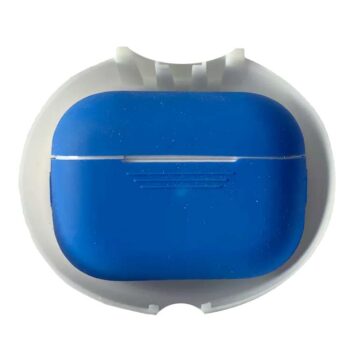 Прототип продуктаСлужба быстрого прототипа Grandshine
Grandshine предоставляет индивидуальные пластиковые формы для литья под давлением, силиконовые формы, формы для литья под давлением из металлических сплавов, а также услуги по разработке продукции для массового производства и т. Д. Перед формованием мы предлагаем быстрое обслуживание прототипа, чтобы обеспечить успех вашего нового проекта.
Мы выполняем прототипирование на различных этапах каждого проекта. Таким образом, обеспечивается максимально возможное эффективное развитие. Быстрое прототипирование предполагает получение макетов продукта. Затем он анализируется, оценивается и уточняется до тех пор, пока не будет получен продукт наилучшего качества.
Прототипирование дает возможность получить четкое представление об эстетике, а также позволяет потрогать, ощутить и ощутить его силу и размер. Прототипы необходимы для понимания эргономических аспектов продукта.
Grandshine всегда поддерживает вас в быстром прототипе перед массовым производством. И убедитесь, что ваш дизайн пригоден для массового производства, и сэкономьте на стоимости неудачного проекта.