
Изделия из высокоглянцевого и блестящего пластика имеют сильно отражающую поверхность, что делает их чрезвычайно чувствительными к дефектам. Любые незначительные дефекты легко заметить и невозможно скрыть. Мелкие частицы пыли в цехе могут вызывать проблемы с качеством, такие как ямки, усадочные раковины или загрязнение поверхности. Поэтому контроль чистоты является критическим фактором, влияющим на выход годной продукции.
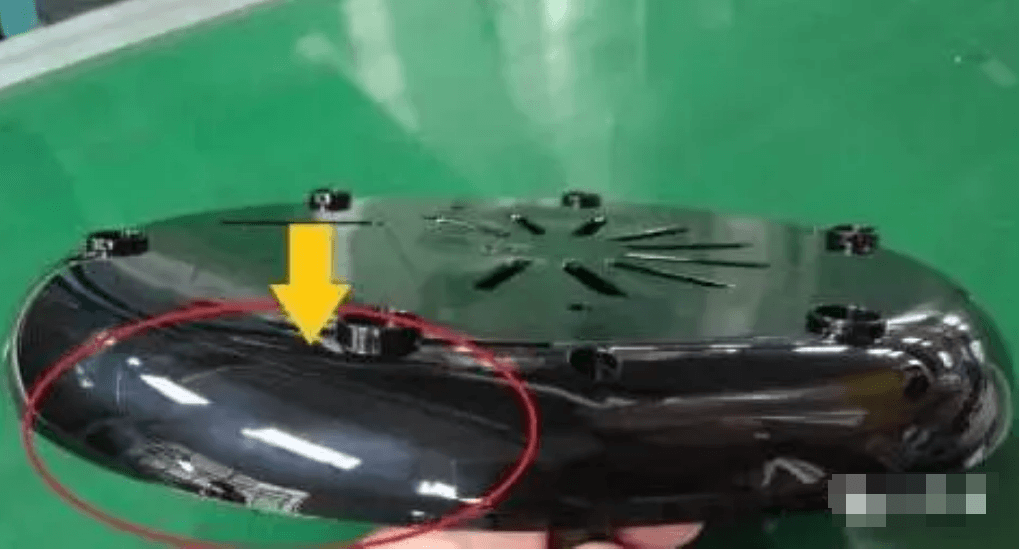
Рисунок 1. Дефектное пластиковое изделие.
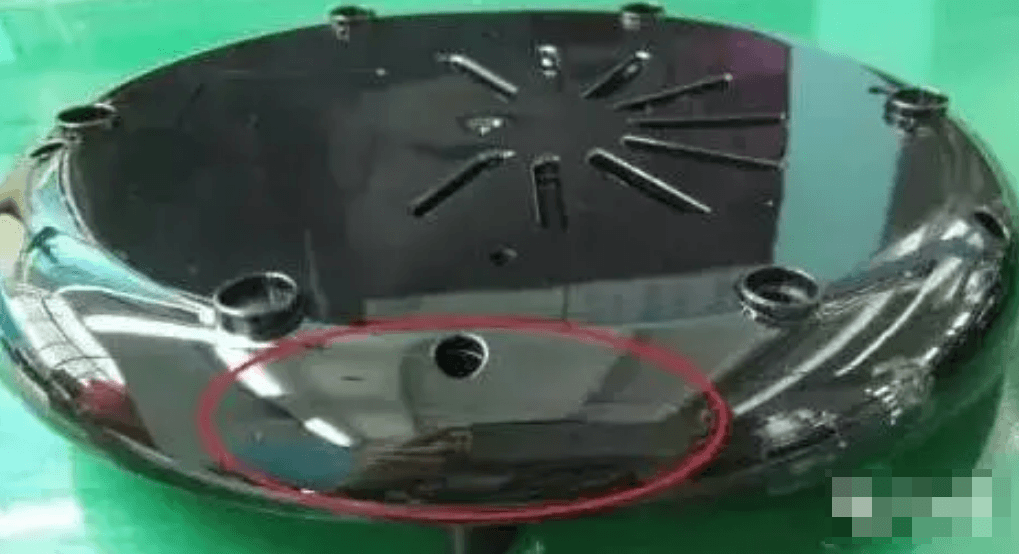
Рисунок 2. Усовершенствованное пластиковое изделие.
Явление
Визуально это выглядит как дефект в виде белой дымки на поверхности пластикового изделия, показанный на рисунке. Этот тип дефекта в виде белых водяных пятен особенно заметен на черных глянцевых пластиковых изделиях. Как показано на рисунке 1, изделие изготовлено из полипропилена (ПП). По поверхности распределены различные белые пятна и нерегулярные участки разного размера, напоминающие облака или туман.
Теория
На основе приведенного выше анализа теоретическое объяснение выглядит следующим образом:
На этапе подачи материала между частицами пластика образуются определенные зазоры. Эти зазоры могут пропускать воздух в цилиндр шнека в процессе его перемещения. Во время перемещения шнека материал претерпевает физические изменения, переходя из стеклообразного состояния в высокоупругое, а затем из высокоупругого состояния в состояние расплавленного потока.
Этот процесс трансформации может занимать от нескольких секунд до нескольких десятков секунд, в зависимости от условий работы литьевой машины и размеров изделий. Завершение такой сложной трансформации за столь короткий промежуток времени может легко привести к дефектам литья под давлением.
При сжатии зазоров между частицами пластика захваченный воздух может раствориться в расплавленном материале. Если воздух не может быть эффективно выпущен из цилиндра во время пластификации, оставшийся газ будет захвачен внутри расплавленного материала и впрыснут в полость пресс-формы.
Эффективность отвода газа из формы зависит от качества системы вентиляции. Если система вентиляции недостаточна, могут возникнуть такие дефекты, как помутнение, скопление газа или следы пригорания.
Очевидно, что белая дымка также является формой улавливания газа. Многие специалисты по литью под давлением ошибочно полагают, что только следы пригорания считаются дефектами, приводящими к улавливанию газа, или же они немедленно расширяют вентиляционные канавки при появлении газовых ловушек. Такой подход научно некорректен.
Следы ожогов появляются при сильном заражении газом. Под высоким давлением и высокой скоростью сжатия захваченный газ не может выйти наружу, что приводит к локальному возгоранию. Температура горения может мгновенно достигать 600–800 °C. Это представляет собой наиболее тяжелую стадию заражения газом.
Решения
Как эффективно выпускать газ, чтобы предотвратить появление белой дымки?
1) Плесень
Проблему утечки газа невозможно полностью решить одной лишь плесенью.
Для полипропиленовых материалов диапазон рабочих температур достаточно широк, и материал обладает превосходной текучестью. Если вентиляционные канавки пресс-формы спроектированы слишком большими или расположены в неправильных местах, это может не только не обеспечить надлежащий отвод газа, но и привести к образованию облоя. Поэтому правильная конструкция вентиляционных отверстий является ключом к эффективному удалению газа.
2) Процесс
Освоение правильных методов регулировки параметров литья под давлением крайне эффективно в реальном производстве.
1) Уменьшите скорость вращения винта.
Снижение скорости вращения шнека может помочь добиться более равномерной температуры расплава и уменьшить вероятность попадания воздуха в расплав.
При слишком высокой скорости вращения шнека возрастает вероятность попадания воздуха в материал. В то же время, чрезмерное усилие сдвига, создаваемое шнеком, генерирует тепло трения, вызывая неравномерную температуру расплава. Это может привести к деградации материала и образованию газов.
2) Повысить температуру пресс-формы
Повышение температуры пресс-формы способствует достижению высокого давления и низкой скорости заполнения, что дает больше времени для выхода газа. Если температура пресс-формы слишком низкая, поверхность пластикового изделия может преждевременно замерзнуть. В этом случае эффективное заполнение на низкой скорости невозможно, что может привести к неполному или неполному заполнению.
3) Снизьте скорость впрыска
Чем выше скорость впрыска, тем быстрее сжимается газ и тем выше генерируемая температура. Более низкая скорость впрыска сжимает газ более плавно, позволяя захваченному воздуху легче выходить наружу.
4) Сила зажима
Чем выше усилие зажима, тем хуже эффект отвода газа с поверхности полости. Меньшее усилие зажима обеспечивает лучший отвод газа с поверхности полости.
Если вы столкнулись с проблемами качества пластиковых изделий или вам нужно найти новый завод по производству пластиковой продукции, Grandshine — это высококачественный поставщик. развитие плесени и инъекция формовка Завод по производству продукции предлагает полный спектр услуг, от проектирования и разработки пресс-форм до серийного производства и сборки.


Похожие сообщения
Обеспечение качества и контроль качества | Определение-Разница-Методы-Процесс
что такое литье под давлением-part1
Некоторые советы помогут вам разобраться в электрических машинах для литья под давлением